4th AGILE General Assembly in Rotterdam

4th AGILE General Assembly in Rotterdam

4th AGILE General Assembly in Rotterdam

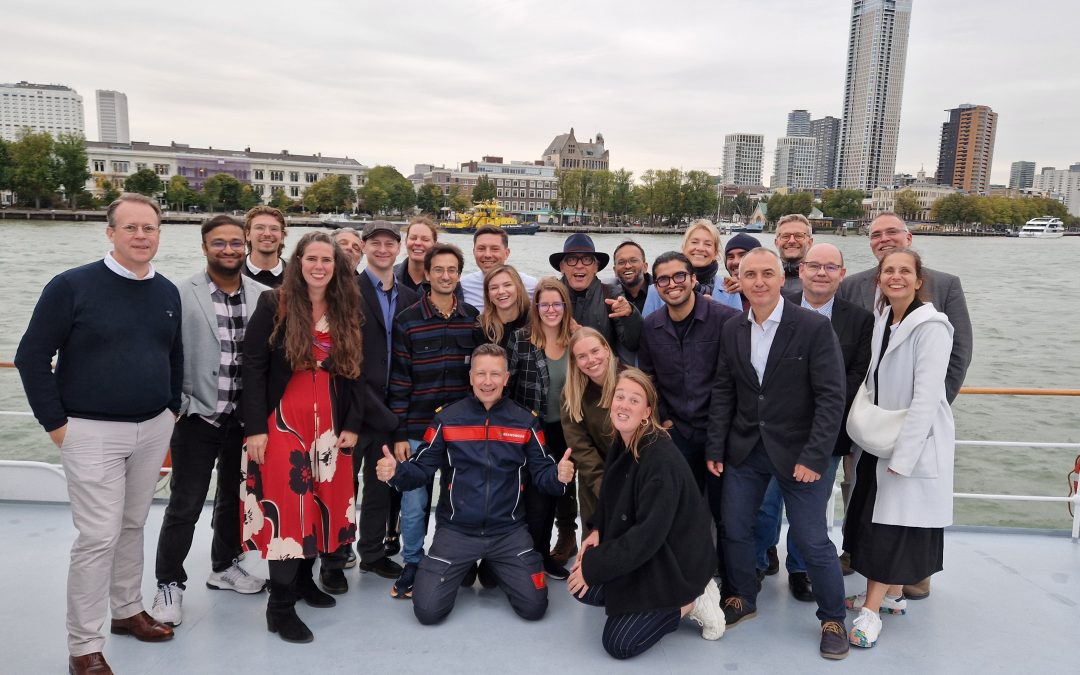
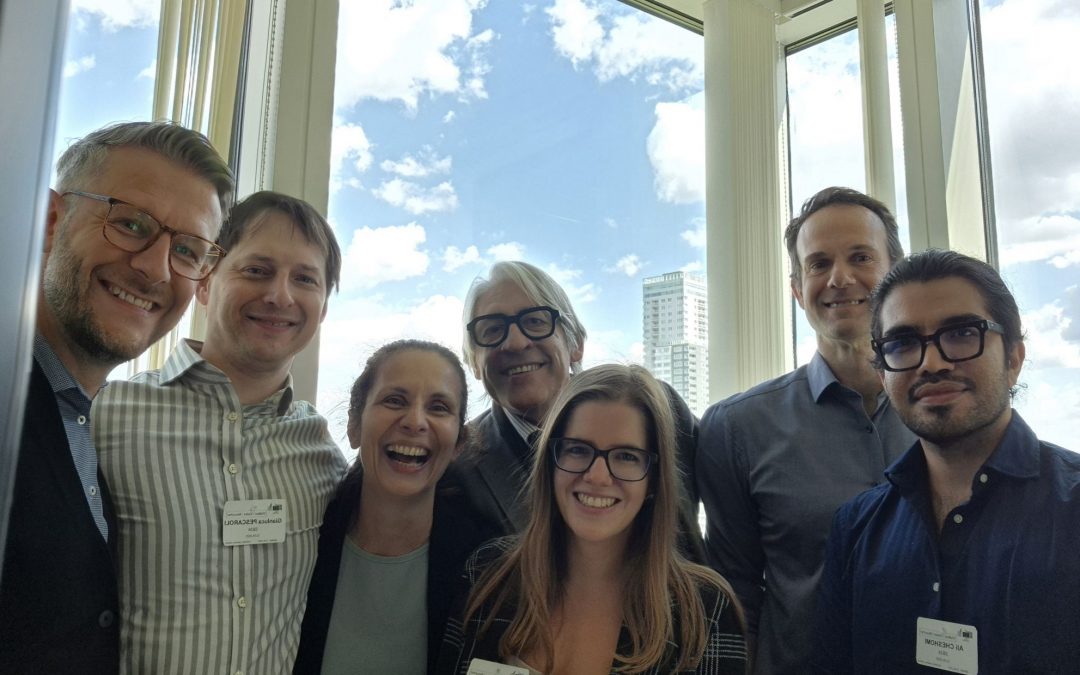
The 4th General Assembly of the AGILE project was held in Rotterdam, hosted by Veiligheidsregio Rotterdam-Rijnmond and the Municipality of Rotterdam at the World Port Center. Bringing together partners from across Europe and beyond, the two-day meeting focused on advancing AGILE’s work on HILP events, cascading effects, interdependencies, and resilience in the face of unexpected disruptions.

Over the course of the meeting, partners engaged in in-depth discussions and collaborative workshops covering key project activities, including:

  • Progress on the HILP Reference Library and the Stress Test methodology, with valuable host perspectives on strengthening methodological development and stakeholder communication;
  • Exchange of lessons learned and practical insights across work packages;
  • World café sessions dedicated to stakeholder engagement, exploitation planning, and risk communication;
  • Ongoing work on scenario building, cyber resilience, and translating research outputs into actionable tools.

Beyond the technical programme, the General Assembly also provided opportunities to strengthen collaboration and informal exchange. Thanks to the warm hospitality of the hosts, participants were able to connect outside the meeting rooms, including a guided exploration of Rotterdam’s historic port area and a social dinner showcasing the city’s unique maritime setting.

The AGILE consortium extends its sincere thanks to Veiligheidsregio Rotterdam-Rijnmond and the Municipality of Rotterdam, as well as all organisers and partners, for their commitment to making the 4th General Assembly both productive and memorable. The discussions, insights, and connections developed in Rotterdam will play a key role in shaping the next phase of the AGILE project.
AGILE Scientific Lead in Crisis Response Journal on HILP Events

AGILE Scientific Lead in Crisis Response Journal on HILP Events

AGILE Scientific Lead in Crisis Response Journal on HILP Events

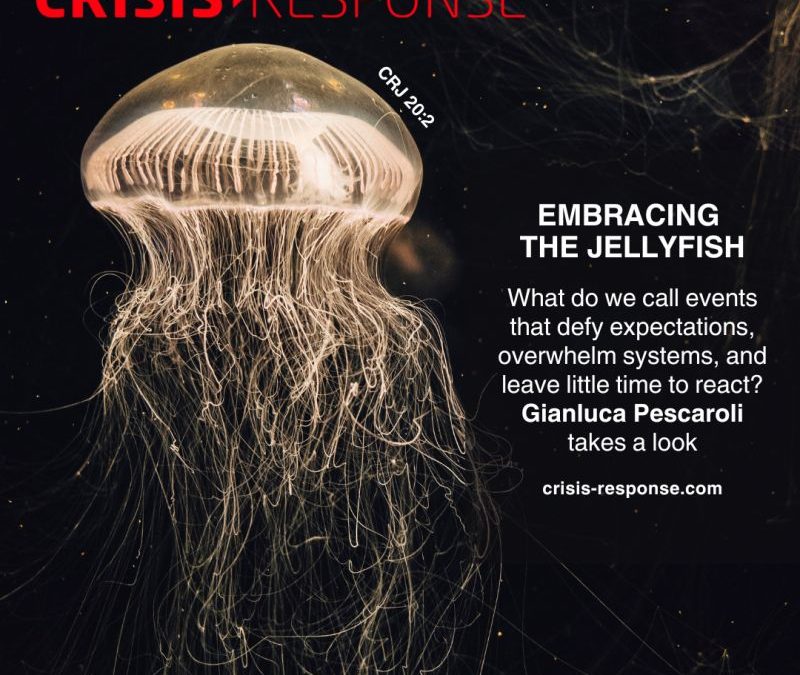
An article by Dr Gianluca Pescaroli, Scientific Lead of the AGILE project and Professor at UCL Risk & Disaster Reduction (RDR), has been published in the Crisis Response Journal. Titled “HILP events, risk agnosticism, and stress-testing resilience”, the article explores the challenges posed by High Impact Low Probability (HILP) events and the limitations of traditional risk assessment approaches.

The article discusses the concept of risk agnosticism and the importance of stress-testing systems for resilience against unexpected and cascading disruptions. These perspectives closely align with AGILE’s focus on improving preparedness, governance, and resilience in the face of complex and uncertain risks.

Read the full article in Crisis Response Journal:
https://crisis-response.com/Publisher/File.aspx?id=378209

EC Review Meeting

EC Review Meeting

EC Review Meeting

AGILE successfully completed its first EC review meeting.

On May 12, 2025, the AGILE consortium presented its first 16 months of work to the European Commission’s Research Executive Agency in Brussels.

The review confirmed that the project is delivering strong results in pioneering agnostic risk management for High Impact Low Probability (HILP) events,  those rare, catastrophic events that test the very core of resilience.

A huge THANK YOU to our dedicated consortium partners and the EC reviewers for the rich dialogue and encouraging feedback.

AGILE Scientific Lead Featured in BBC News on the Growing Demand for Risk Management Expertise

AGILE Scientific Lead Featured in BBC News on the Growing Demand for Risk Management Expertise

AGILE Scientific Lead Featured in BBC News on the Growing Demand for Risk Management Expertise

The AGILE Project’s 2nd General Assembly (GA) meeting took place in Setúbal, Portugal, from 8th to 10th October 2024. The event was hosted by partner ENA and brought together consortium members from 15 organizations across Europe, USA and Japan to discuss progress, key milestones, and the project’s next steps in enhancing resilience against High Impact Low Probability (HILP) events.

Key Outcomes of the Meeting:

Year 1 Achievements & Project Objectives:

The Year 1 progress report highlighted significant achievements and outlined key objectives for the upcoming period. The main areas of focus included:

  • D3.1 Stress Test Methodology and Toolkit: Review and finalization of the methodology to integrate comments from internal reviews and GA discussions. Due in mid-November 2024.
  • D1.2 AGILE’s Approach to HILP: Completion of the SWOT analysis on common failure points, vulnerabilities, and resilience. Due in mid-November 2024.
  • D1.3 Strategic Foresight in HILP: Development of a new deliverable focusing on the role of strategic foresight, lateral thinking, and creativity in AGILE’s approach to HILP, due by January 2025.

To ensure the timely submission of high-quality deliverables, any identified risks will be communicated to the Coordinator, with due date adjustments available in consultation with the Project Officer.

Work Package Updates:

Each work package leader provided updates on progress, including research findings, collaborations, and developments in methodologies for risk assessment, resilience strategies, and stress-testing frameworks.

Future Deliverables:

The consortium reviewed upcoming deliverables, including publications, reports, and a collaborative online platform designed to improve knowledge-sharing across stakeholders involved in disaster risk management (DRM).

Collaborative Workshops:

Interactive workshops enabled participants to engage in discussions on improving the project’s impact, with a focus on integrating real-world applications in disaster response and climate change resilience.

Networking and Partnerships:

The event fostered networking opportunities between research institutions, NGOs, SMEs, first responders, and government bodies, strengthening collaborations for future project activities.

Keynote by Patricia Gaspar:

A highlight of the event was the inspiring keynote speech by Patricia Gaspar, where she addressed the importance of cross-sector collaboration in disaster risk management and resilience building. She emphasized the need for innovative approaches to address the challenges posed by HILP events, and how collective efforts can improve preparedness and response at local, regional, and global levels.

Next Steps:

Attendees outlined key actions for the next phase of the project, emphasizing the importance of maintaining momentum and cross-sectoral collaboration to achieve the project’s ambitious goals.

Closing Remarks:

The GA meeting concluded with a renewed commitment from all partners to address systemic risks and enhance the resilience of European societies.

Gianluca Pescaroli’s Interview in CGTN Europe

Gianluca Pescaroli’s Interview in CGTN Europe

Gianluca Pescaroli’s Interview in CGTN Europe

Our AGILE project partner, José Manuel Palma-Oliveira participated in the XVII Conference of Environmental Psychology in Málaga, Spain, organized by the Association of Environmental Psychology (PSICAMB) from February 3-6, 2025. The event focused on Psychology in the Face of New Environmental Challenges, bringing together experts to discuss the role of psychology in global environmental issues.

José presented a poster titled “Agnosticism in Societal and Psychological Impacts of Disasters: A Foundation for Resilience Stress-Testing”. This explored the psychological impacts of disasters through the lens of threat-agnosticism, contributing to the concept of resilience stress testing within the scope of AGILE project.


2nd General Assembly Meeting

2nd General Assembly Meeting

2nd General Assembly Meeting

The AGILE Project’s 2nd General Assembly (GA) meeting took place in Setúbal, Portugal, from 8th to 10th October 2024. The event was hosted by partner ENA and brought together consortium members from 15 organizations across Europe, USA and Japan to discuss progress, key milestones, and the project’s next steps in enhancing resilience against High Impact Low Probability (HILP) events.

Key Outcomes of the Meeting:

Year 1 Achievements & Project Objectives:

The Year 1 progress report highlighted significant achievements and outlined key objectives for the upcoming period. The main areas of focus included:

  • D3.1 Stress Test Methodology and Toolkit: Review and finalization of the methodology to integrate comments from internal reviews and GA discussions. Due in mid-November 2024.
  • D1.2 AGILE’s Approach to HILP: Completion of the SWOT analysis on common failure points, vulnerabilities, and resilience. Due in mid-November 2024.
  • D1.3 Strategic Foresight in HILP: Development of a new deliverable focusing on the role of strategic foresight, lateral thinking, and creativity in AGILE’s approach to HILP, due by January 2025.

To ensure the timely submission of high-quality deliverables, any identified risks will be communicated to the Coordinator, with due date adjustments available in consultation with the Project Officer.

Work Package Updates:

Each work package leader provided updates on progress, including research findings, collaborations, and developments in methodologies for risk assessment, resilience strategies, and stress-testing frameworks.

Future Deliverables:

The consortium reviewed upcoming deliverables, including publications, reports, and a collaborative online platform designed to improve knowledge-sharing across stakeholders involved in disaster risk management (DRM).

Collaborative Workshops:

Interactive workshops enabled participants to engage in discussions on improving the project’s impact, with a focus on integrating real-world applications in disaster response and climate change resilience.

Networking and Partnerships:

The event fostered networking opportunities between research institutions, NGOs, SMEs, first responders, and government bodies, strengthening collaborations for future project activities.

Keynote by Patricia Gaspar:

A highlight of the event was the inspiring keynote speech by Patricia Gaspar, where she addressed the importance of cross-sector collaboration in disaster risk management and resilience building. She emphasized the need for innovative approaches to address the challenges posed by HILP events, and how collective efforts can improve preparedness and response at local, regional, and global levels.

Next Steps:

Attendees outlined key actions for the next phase of the project, emphasizing the importance of maintaining momentum and cross-sectoral collaboration to achieve the project’s ambitious goals.

Closing Remarks:

The GA meeting concluded with a renewed commitment from all partners to address systemic risks and enhance the resilience of European societies.